

How Often Should You Change Your Oil? | Waldorf MD Mechanic Meta Description Learn how often to change your oil from Apex Auto Care in Waldorf, MD. Discover signs, myths, and expert tips—plus get $10 OFF your oil change this October! How Often Should You Change Your Oil? (Waldorf MD Mechanic Explains) Keeping up with regular oil changes is one of the simplest—and most important—ways to keep your car running smoothly. But how often should you actually change your oil? The answer depends on your vehicle, oil type, and even your local driving habits here in Waldorf, MD. At Apex Auto Care, we’ve helped countless Maryland drivers stay on top of their maintenance schedule. Here’s what you need to know before your next oil change. Recommended Oil Change Frequency Most experts recommend changing your oil every 3,000 to 5,000 miles for conventional oil, and 7,500 to 10,000 miles for synthetic oil. However, your vehicle manufacturer’s manual is the best place to start. It lists the exact maintenance intervals designed for your car’s make and model. Quick Guide:

If you’ve ever left a repair shop with a printed-out checklist or a color-coded sheet in your hand, chances are you were handed a vehicle inspection report . Maybe it was after an oil change, or perhaps your car was in for a strange noise, and your mechanic offered a “multi-point inspection.” But what do these reports actually mean? Are they just fluff, or are they telling you something important? At Apex Auto Care in Waldorf, MD, we believe that car owners deserve clarity—not confusion—when it comes to vehicle inspections. That’s why we take the time to walk you through the results and answer every question you may have. So let’s break it all down together: What is a vehicle inspection report, what’s on the checklist, and how should you use that information? What Is a Vehicle Inspection Report? A vehicle inspection report is a documented evaluation of your car’s condition. It typically follows a standardized car inspection checklist , which includes a thorough look at essential systems like brakes, tires, fluids, suspension, steering, lights, battery, and more. These reports help spot minor problems before they become major repairs. More importantly, they help you drive with confidence, knowing your car is safe and road-ready. At Apex Auto Care, we perform these inspections with integrity and transparency. Whether you’re due for a routine oil change or preparing for a long trip, this snapshot of your vehicle’s health gives you the information you need to make smart, informed decisions. The Typical Format: What to Expect Most modern inspection reports—especially those done at professional shops like Apex Auto Care—are digital or printed with a color-coded system : Green: Everything is in good condition and working properly. Yellow: Watch this item. It may need attention soon. Red: Immediate service recommended. This part is failing or dangerous. You’ll usually see a list of components and systems, with notes next to each. Some shops even include photos to show worn parts or leaks. That’s not just for show—it’s to give you real visual evidence of what’s going on under the hood or beneath the chassis. What’s on the Car Inspection Checklist? While checklists can vary slightly between shops, a comprehensive report from Apex Auto Care includes: 1. Fluids We inspect your engine oil, transmission fluid, coolant, brake fluid, power steering fluid, and windshield washer fluid. We’re checking both levels and condition —old or contaminated fluids can lead to serious issues. 2. Brakes Brake pads, rotors, calipers, brake lines, and fluid are evaluated for wear or leaks. If your brake pads are down to just a few millimeters, that’s going to land in the red zone. At Apex, we offer expert brake repairs to get you safely back on the road. 3. Tires We check for tread depth, tire pressure, and any signs of uneven wear. Uneven tread might indicate an alignment or suspension issue, which our team can diagnose on the spot. 4. Battery We test the battery’s charge, inspect for corrosion on the terminals, and make sure the cables are secure. Cold Maryland winters and hot summers can both take a toll on battery life. 5. Suspension & Steering Worn shocks, struts, ball joints, and tie rods can affect how your vehicle handles. If we find a component that’s loose or leaking, we’ll explain what that means for your driving comfort and safety. 6. Belts & Hoses These components are small but mighty. A cracked belt or leaking hose can sideline your vehicle in an instant. If your inspection report flags one, it’s better to replace it now than be stranded later. 7. Lights Headlights, brake lights, turn signals, and even the cabin lights are checked to ensure full visibility and compliance with traffic laws. 8. HVAC System Especially in the heat of summer or the chill of winter, a functioning AC system is a must. We’ll verify the operation of your heater and air conditioner, and if something’s off, we’ll investigate further. What Does “Yellow” Really Mean? This is one of the most misunderstood parts of a vehicle inspection report. When a component is marked yellow , it doesn’t mean it’s broken—it means it’s aging , worn , or nearing its service limit. For example, your brake pads might still have 5mm of material left. They’re not in the danger zone yet (red), but they’re not new either. You’ve got time, but not forever. Yellow-coded items give you the chance to plan ahead , which can be a financial lifesaver. It gives you time to budget and schedule service before an emergency happens. At Apex Auto Care, we never pressure you into immediate repairs unless your safety is at stake. If it can wait, we’ll tell you. If it can’t, we’ll explain why—plain and simple. Red = Act Now When a part shows up red on your inspection report, that’s a clear warning. It could be: Brake pads that are completely worn out A leaking radiator hose Severely cracked belts Bald tires An AC compressor that’s failed Red items should not be ignored, as they could lead to breakdowns, accidents, or costly damage. We’ll give you a complete breakdown of what needs to be done, how soon, and how it fits into your vehicle’s overall health plan. Why Regular Inspections Matter Vehicle inspection reports aren’t just for when something feels “off.” They’re part of routine preventive maintenance , just like oil changes or tire rotations. When you stay on top of inspections, you: Catch problems early, when they’re cheaper to fix Avoid surprise breakdowns Protect your investment by extending the life of your vehicle Drive with peace of mind At Apex Auto Care, we include multi-point inspections with many of our routine services. It’s one more way we go the extra mile for our customers in Waldorf and the surrounding communities. What Should You Do with Your Inspection Report? First, don’t throw it away or ignore it. That little sheet is your roadmap to a healthier vehicle. Here’s what to do next: Review it carefully. If something is unclear, ask your technician to walk you through it. Prioritize the red items. These require immediate attention to avoid bigger problems. Plan for the yellow items. Consider scheduling future appointments to take care of them before they turn red. Keep it in your records. It’s handy to have a paper trail of inspections, especially when it comes time to sell or trade in your car. Remember, this report isn’t just a “to-do” list. It’s a tool to help you stay informed and in control. Not All Inspections Are Created Equal Some shops rush through inspections or gloss over important items. At Apex Auto Care, our certified technicians take the time to do it right. We use the latest diagnostic tools, industry-standard checklists, and real-world experience to give you an honest and accurate assessment. As part of the NAPA Auto Care Network , our inspection services meet national standards for quality and transparency, and our work is backed by a 24-month/24,000-mile warranty. You get local expertise with the power of a nationwide network. Whether you’re new to vehicle inspections or a seasoned car owner, we’re here to make the process easier and more empowering. Ready for Your Next Inspection? If it’s been a while since your last inspection—or if you’re unsure about a recent report—bri ng your vehicle to Apex Auto Care in Waldorf, MD. We’ll walk you through every detail and answer every question. From general maintenance to brake repairs, diagnostics, and AC service, we’re your trusted one-stop auto solution. Book your next inspection with Apex Auto Care today—because you deserve auto service that puts your safety and satisfaction first.
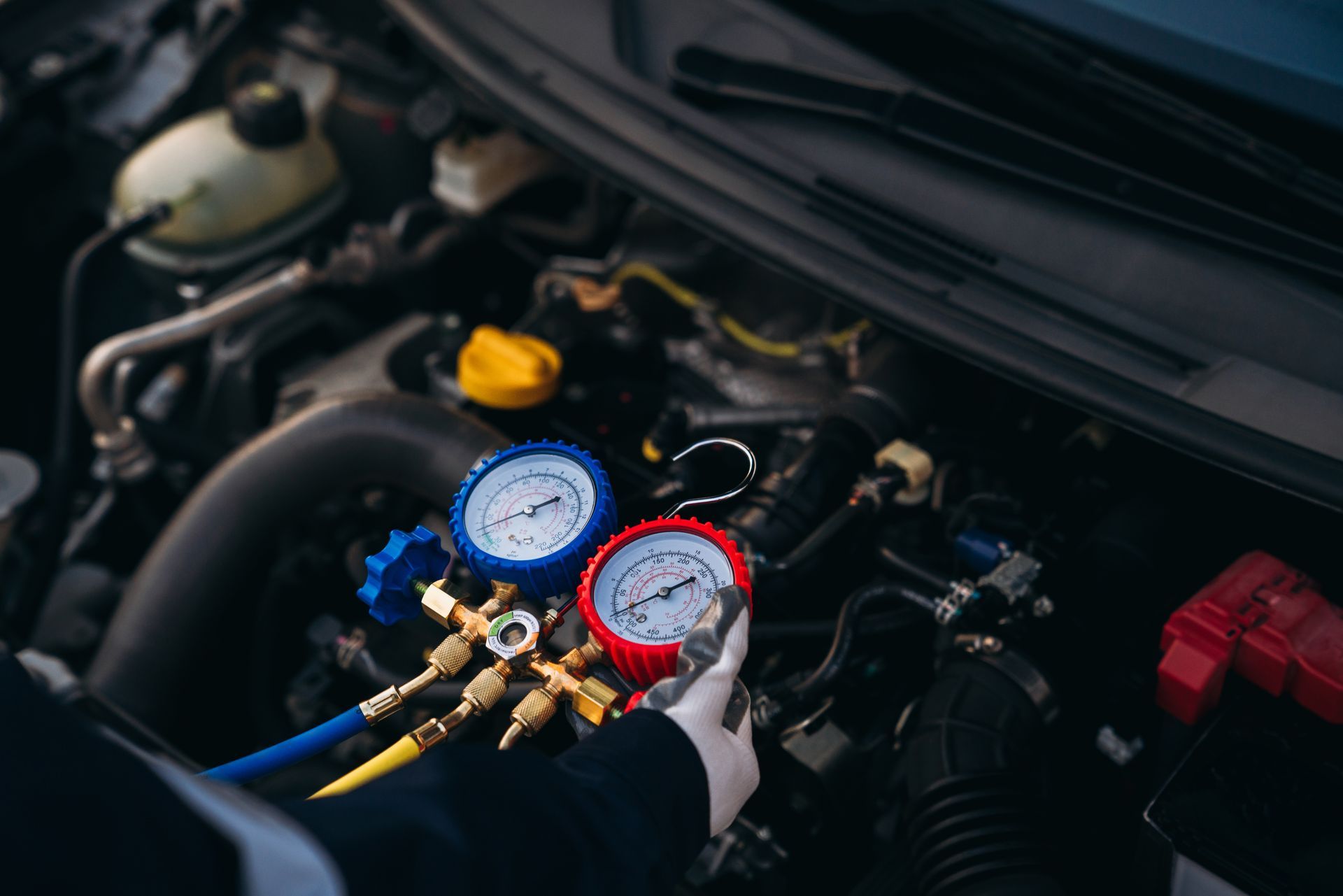
When the summer heat hits Waldorf, MD, the last thing you want is for your car’s air conditioning system to betray you by blowing warm air. A malfunctioning AC can turn any pleasant drive into an uncomfortable ordeal. If you’re asking yourself, “Why is my car’s AC blowing warm air?” you’re not alone. This is a common issue faced by many car owners and one that can often be resolved without replacing the entire system. Understanding the root causes and possible fixes can save you time, money, and discomfort. At Apex Auto Care, your trusted auto repair shop in Waldorf, MD, we’ve seen all sorts of AC problems over our 30 years of experience. Let’s walk through the most frequent reasons your car’s AC might be blowing warm air, what they mean, and what you can do about it. 1. Low Refrigerant Levels — The Most Common Culprit Your car’s air conditioning system works by circulating a refrigerant that absorbs heat inside your vehicle and releases it outside. When refrigerant levels drop too low, the system can’t effectively cool the air. This is the most frequent reason your car’s AC blows warm air. Why does the refrigerant get low? Leaks are the primary cause. Over time, seals and hoses can deteriorate, causing small leaks that slowly bleed refrigerant. Sometimes damage from road debris or minor accidents can also create leaks. How to fix it: A professional auto air conditioning repair service like Apex Auto Care can locate and seal the leaks, then recharge your AC system with the correct amount of refrigerant. Attempting to recharge the AC yourself without fixing leaks will only be a temporary fix. 2. Faulty Compressor — The Heart of Your AC System The compressor is the engine of your car’s AC system, responsible for compressing and circulating refrigerant. If the compressor fails, the refrigerant won’t move properly, and you’ll notice warm air blowing from your vents. Signs of compressor trouble include: Strange noises when the AC is on AC only blows cold intermittently Clutch on the compressor doesn’t engage How to fix it: A malfunctioning compressor usually needs to be replaced. Since compressors are vital for AC function, it’s best to have a certified mechanic diagnose and perform the repair. 4. Electrical Issues — Wiring and Controls Modern vehicles rely heavily on electrical controls for the AC system. Problems like blown fuses, faulty relays, or damaged wiring can disrupt the AC’s operation, causing it to blow warm air. Symptoms to watch for: AC stops working suddenly Controls don’t respond or display errors Intermittent cooling How to fix it: Diagnosing electrical problems requires specialized tools and knowledge. Apex Auto Care’s experienced technicians use advanced diagnostic equipment to trace and repair electrical faults, ensuring your AC system works reliably again. 4. Clogged or Dirty Condenser The condenser’s job is to dissipate heat from the refrigerant. If the condenser is clogged with dirt, debris, or bugs, it can’t cool the refrigerant efficiently, leading to warm air blowing inside the car. How does this happen? The condenser is located in front of your radiator and is exposed to road grime, leaves, and insects. Over time, the buildup restricts airflow. How to fix it: A thorough cleaning of the condenser often restores normal AC function. In severe cases, a damaged condenser might need replacement. 5. Broken or Malfunctioning Cooling Fans Cooling fans assist the condenser by pulling air through it when the car isn’t moving fast enough for airflow. If these fans fail, the condenser won’t cool properly, and warm air will result. How to tell if fans are the issue: AC works fine at highway speeds but blows warm air when stopped You hear no fan noise when the AC is on Overheating engine or AC system How to fix it: Fan motors or fan relays might need repair or replacement. Proper diagnosis can determine which part is failing. 6. Cabin Air Filter Needs Replacement Your cabin air filter cleans the air entering your car’s interior. When it’s dirty or clogged, airflow from your vents decreases, and the AC might feel less cool, although technically the system is still working. Signs your cabin air filter is bad: Reduced airflow from vents Unpleasant odors inside the car Dust or debris blowing out of vents How to fix it: Replacing the cabin air filter is a simple and affordable maintenance task. Most vehicle owners can do this themselves, but professional service is always an option. 7. Problems with the AC Blend Door Inside your car’s HVAC system, blend doors control whether air goes through the heater core or the AC evaporator core. If a blend door gets stuck in the heat position, warm air will blow even when the AC is on. What causes blend door problems? Actuator failure, broken cables, or control system errors. How to fix it: Fixing blend doors can be tricky and usually requires a professional mechanic’s touch. At Apex Auto Care, we carefully inspect and repair these components to restore your AC’s proper function. 8. Refrigerant Overcharge or Undercharge While low refrigerant is common, having too much refrigerant can also cause issues, including warm air blowing out. Proper refrigerant charge is essential for optimal performance. How to fix it: A trained technician will measure and adjust refrigerant levels to manufacturer specifications. Regular Maintenance Prevents AC Problems Preventive care is key to avoiding most of these issues. Regular inspections, timely AC servicing, and keeping your cooling system clean can prolong your AC’s lifespan and save you from unexpected breakdowns. Get your AC system checked annually Repair leaks promptly Replace cabin air filters as recommended Clean condenser and cooling fans periodically Your car’s air conditioning is vital for comfort, especially during Maryland’s hot months. When your car’s AC blows warm air, it’s a sign that something needs attention. From simple fixes like replacing filters to complex repairs involving compressors or electrical systems, knowing the causes helps you address problems quickly. If you notice your car’s AC is not cooling as it should, don’t wait until the heat becomes unbearable. Visit Apex Auto Care , your premier auto repair shop in Waldorf, MD. Our certified technicians are equipped with decades of experience and the latest diagnostic tools to find and fix your AC issues right the first time. We pride ourselves on transparency, quality service, and affordable repairs, backed by the NAPA AutoCare warranty. Call or book an appointment online today to get your car’s AC system inspected and restored. Stay cool on every drive with Apex Auto Care—where your comfort and satisfaction are our top priorities.